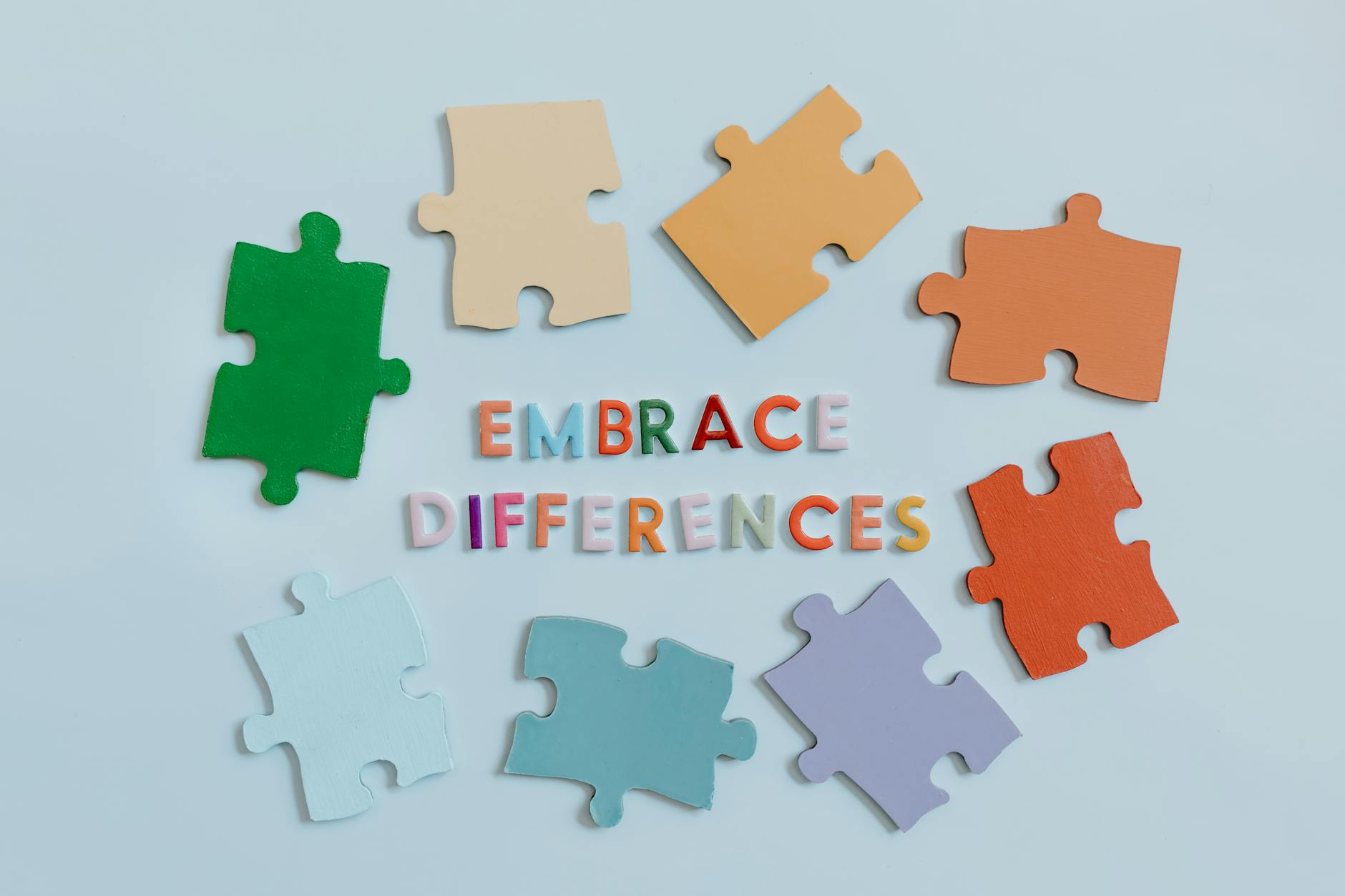
As a person who is connected closely with neurodivergent individuals and their families, I read recent news surrounding autism—with its mix of misinformation, hope, and advocacy—with concern and cautious optimism. Autism spectrum disorder (ASD) has, once again, found itself at the center of a national debate. But this time, it’s not just about prevalence or treatment. It’s about how we talk about autism, what we prioritize in research, and how we show up for a community that continues to be misunderstood.
Let me be clear: autism is not a “horrible, horrible crisis.” What is a crisis is the perpetuation of outdated, fear-based narratives that cast blame on mothers, pathologize difference, and stigmatize millions of individuals whose brains work in beautifully diverse ways.
Words Matter—And They Can Harm
When public figures use stigmatizing language—suggesting that children with autism are incapable of joy, contribution, or independence—it reinforces harmful myths that we, as a society, have worked decades to dismantle. It undermines the self-worth of many individuals and deepens the isolation already felt by many families.
Statements like “They’ll never write a poem” or “They’ll never play baseball” are not only categorically false for many people on the spectrum—they are cruel. Every day, we see individuals on the spectrum doing exactly those things and more. They are writers, coders, musicians, caregivers, teachers, and leaders. Many may need support—and that’s not a weakness. It’s a reminder that we must build systems that accommodate, not erase, neurodiversity.
Autism Isn’t “Preventable”—But It Is Understandable
There is a critical difference between prevention and understanding. Claims that autism is “preventable” suggest that it is inherently a disease to be eradicated—when in reality, it is a developmental difference, one that brings both challenges and strengths.
Yes, more research is needed. But that research must be rooted in science, not fear, and motivated by compassion—not the desire to “fix” what isn’t broken. We need studies that explore how environmental, genetic, and neurological factors interact. We need more clinical trials like those exploring leucovorin, a proposed treatment for certain symptoms associated with autism. And we need research that listens to voices of all individuals—particularly those who speak not just of struggle, but of identity, pride, and community.
Support Over Stigma: A Better Path Forward
Advocates who have been speaking out all this week remind us that with support, understanding, and access to support, people with autism can—and absolutely do—thrive. The success stories aren’t anomalies; they’re possibilities made real by inclusive education, tailored care, and communities that believe in every child’s potential.
We must expand access to:
- Early diagnosis and intervention
- Affordable, science-based therapies
- Support for caregivers, especially in underserved areas
- Inclusive workplaces that value neurodivergent perspectives
This isn’t just about treatment—it’s about equity, dignity, and opportunity.
Let’s Research the Right Things
We should be researching autism—but not with the goal of erasing it. Instead, let’s research how to:
- Improve quality of life for individuals and families
- Better support co-occurring conditions like anxiety, ADHD, or OCD
- Understand how differences in neurology can also be sources of strength
- Train more therapists and educators to work with neurodiverse populations
- Combat the structural inequalities that prevent families from accessing care
We need to stop asking, “How do we prevent autism?” and start asking, “How do we support people with neurodiverse experiences to live the fullest lives possible?”
The Real Crisis Is Misunderstanding
As a therapist, I witness the daily courage of individuals navigating a world that too often misunderstands them. I see the exhaustion of parents fighting insurance systems and school districts. I also see resilience, brilliance, and joy.
Let’s do better—for all of them.
Let’s demand research that is ethical, inclusive, and hopeful.
Let’s challenge leaders who use outdated rhetoric that harms.
Let’s build a world that doesn’t just “accept” autism but celebrates the neurodiversity that makes humanity whole.
If you’re a policymaker, a researcher, or someone with a platform—please, listen to these voices. Listen to caregivers. Listen to therapists, educators, and advocates. And then ask yourself:
Are we moving toward understanding—or away from it?
Are we building a better future—or retreating to the past?
We can choose compassion. We can choose science. We can choose support.
Let’s make that choice now—before stigma speaks louder than progress again.
If you or your loved one is on the autism spectrum and looking for support, reach out to organizations like the Autism Community in Action, the Autistic Self Advocacy Network, or a local support focused on neurodiverse-affirming care
 Replenish Counseling LLC
Leave a comment